|
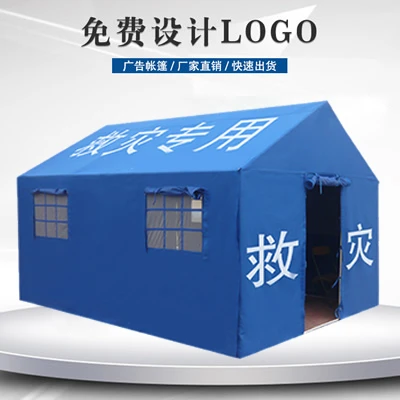
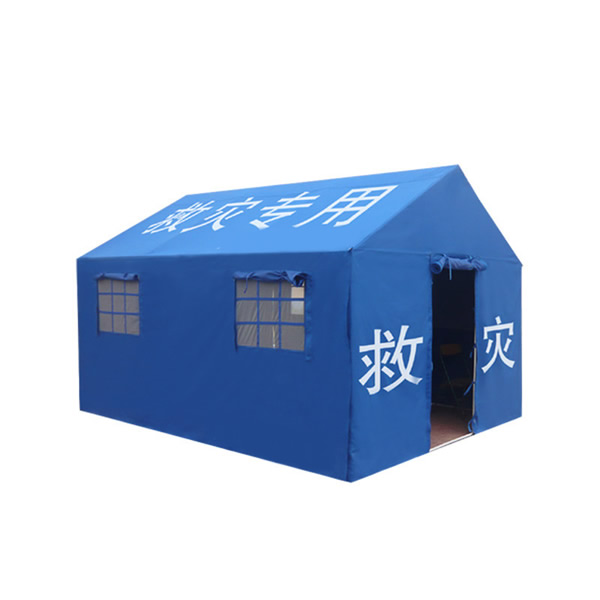
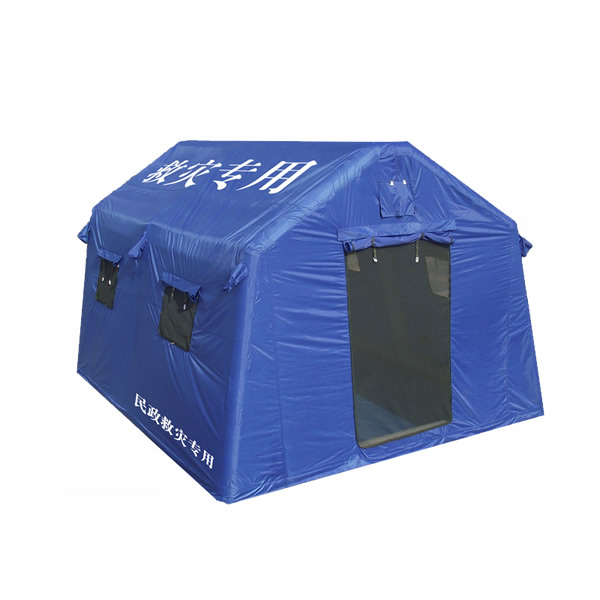
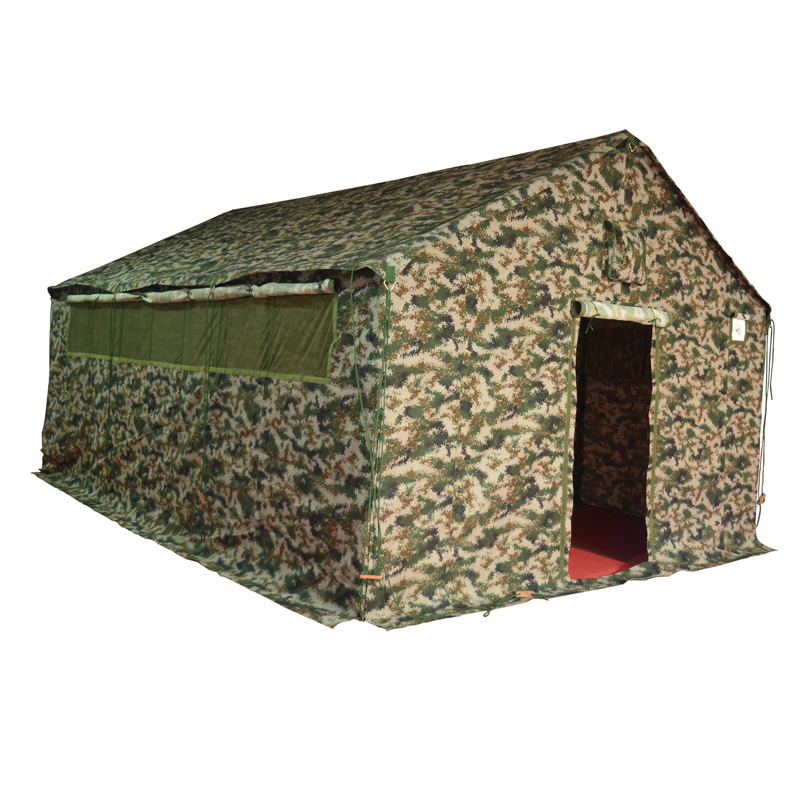
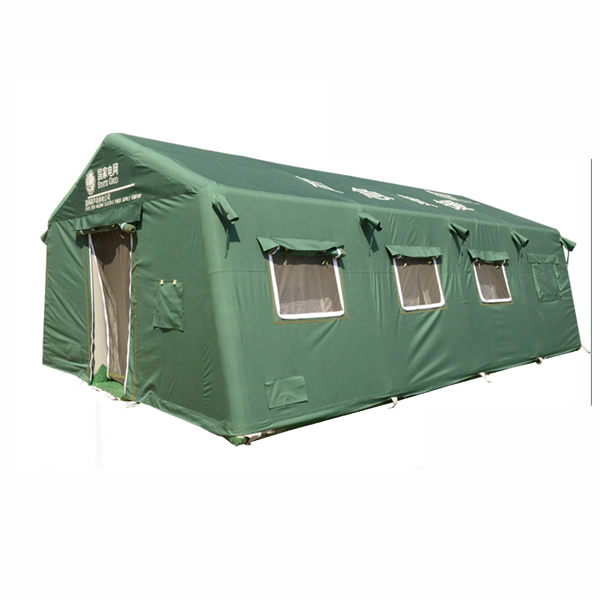
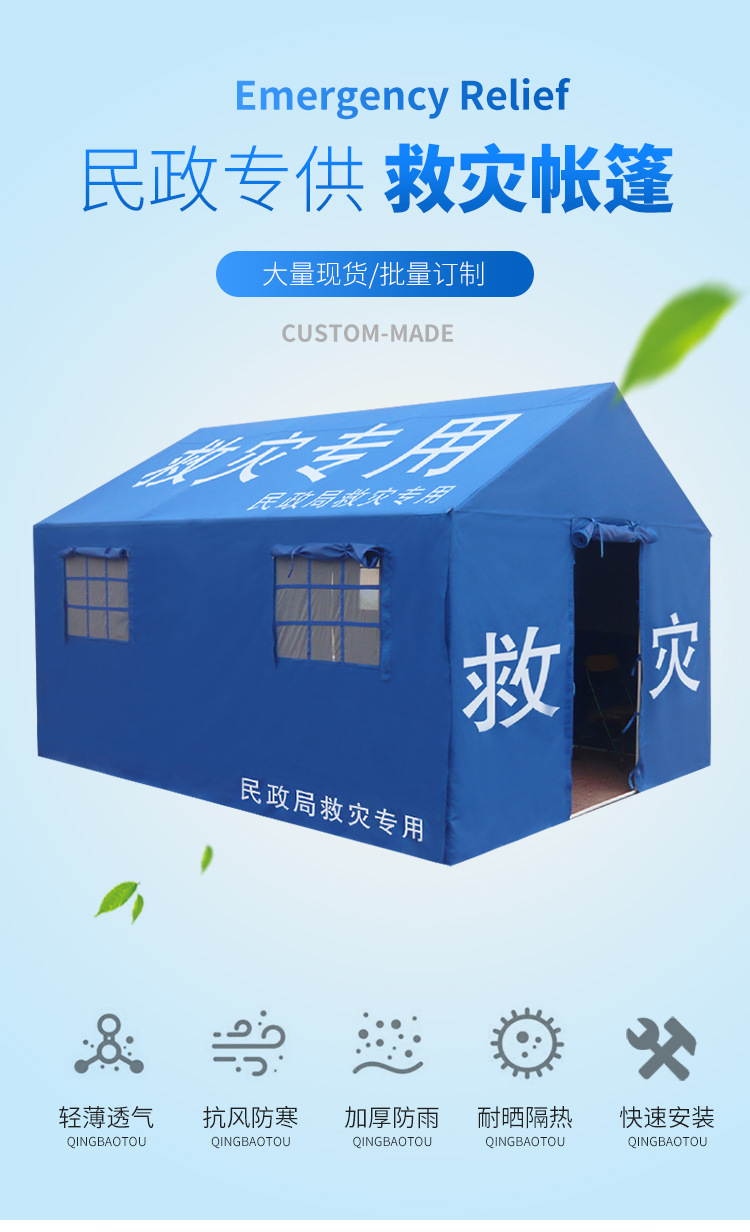
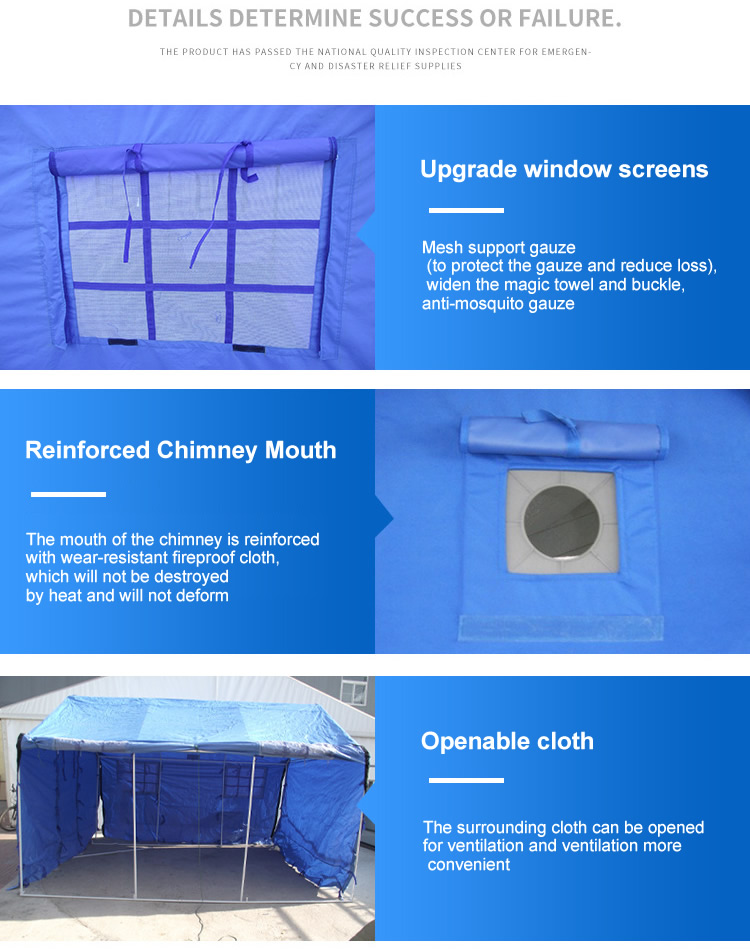
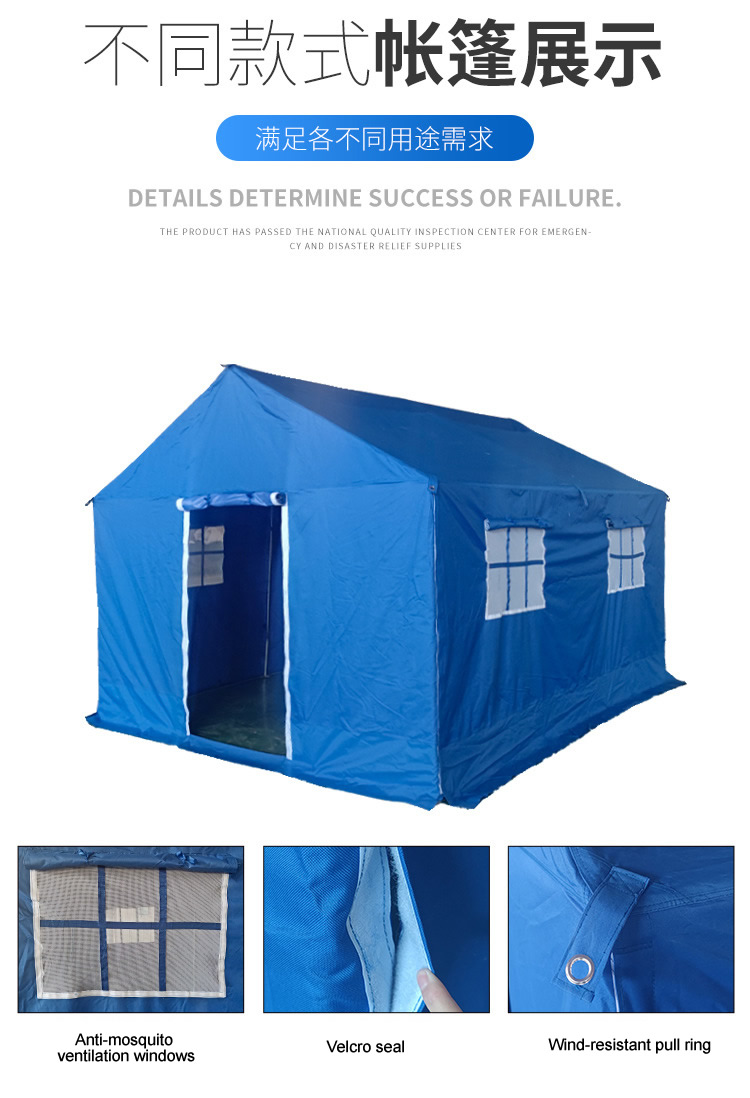
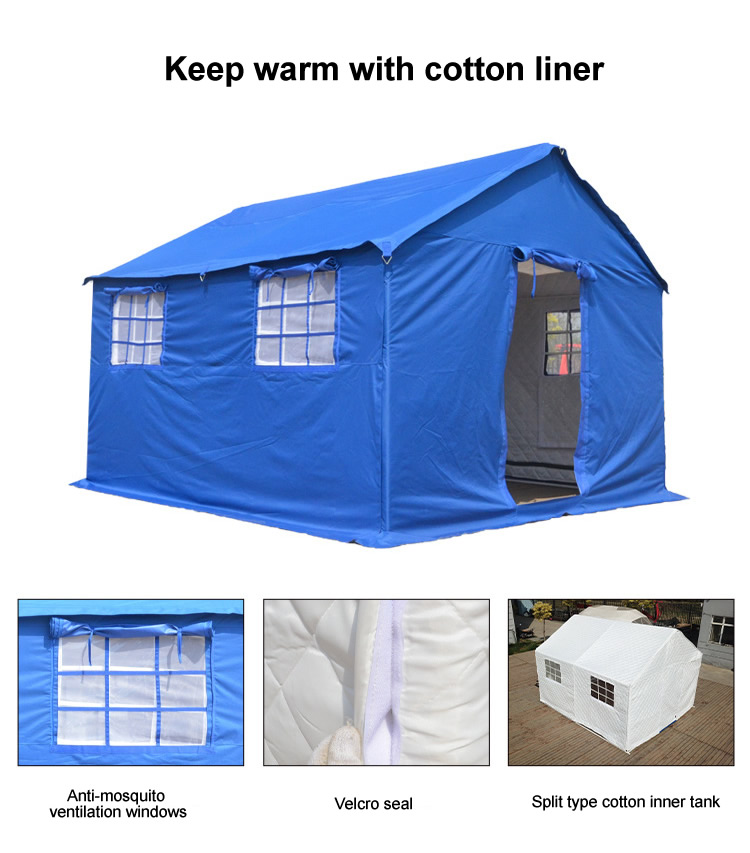
In times of disaster, providing shelter to those affected is one of the most urgent needs. Disaster relief emergency tents play a crucial role in offering temporary shelter to displaced individuals, protecting them from harsh weather and providing a safe environment in the aftermath of a natural disaster. These tents are specifically designed for quick deployment, durability, and weather resistance. In this article, we will explore the materials used in emergency relief tents and their applications in crisis situations.
Materials Used in Disaster Relief Tents
The choice of materials for emergency tents is essential in determining the tent’s durability, weather resistance, and overall performance in the field. The following materials are commonly used in outdoor disaster relief shelters:
-
Polyester Fabric
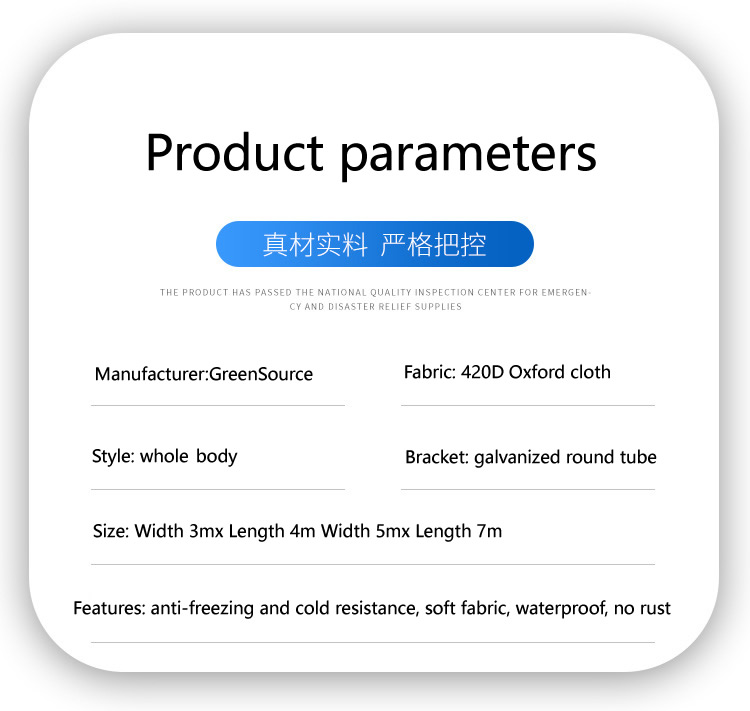
One of the most commonly used materials for emergency tents is polyester. This synthetic fabric is durable, lightweight, and resistant to water, making it ideal for temporary shelters in emergency situations. Polyester tents are easy to transport and quick to set up, which is essential for disaster response teams who need to act quickly. Additionally, polyester has a high tensile strength, ensuring the tent can withstand wind and rain.
-
PVC-Coated Polyester
PVC-coated polyester is a stronger, more weather-resistant version of standard polyester. The PVC coating provides additional protection against water, UV rays, and extreme weather conditions. This material is ideal for tents that need to endure harsh environments, such as heavy rain or intense sunlight. PVC-coated polyester tents are commonly used in disaster relief because of their resilience and long-lasting performance.
-
Nylon Fabric
Nylon is another material often used in emergency shelters. It is lightweight and highly compressible, making it ideal for portable shelters. While nylon tents are not as weather-resistant as PVC-coated polyester, they are still suitable for many disaster relief scenarios, especially in areas with moderate weather conditions. Nylon tents are typically used in areas where portability and easy deployment are the top priorities.
-
Canvas
Canvas is a durable natural fabric made from cotton or linen. While heavier than synthetic fabrics, canvas tents are highly breathable, offering better air circulation in warmer climates. They are also highly durable and can last for extended periods, making them suitable for longer-term relief efforts. Canvas tents are ideal for disaster relief in areas with less severe weather conditions or when extended shelter is required.
-
Aluminum and Steel Frame
The frame structure of a disaster relief tent is equally important as the fabric. The frame must be sturdy, rust-resistant, and lightweight for easy transport and setup. Aluminum and steel are the most common materials used for tent frames. Aluminum frames are lightweight and resistant to rust, while steel frames are heavier but provide enhanced strength and stability. Depending on the specific needs of the disaster response team, the choice of frame material may vary.
Applications of Emergency Tents in Disaster Relief
Disaster relief emergency tents serve a wide range of functions in crisis situations. They are designed to offer temporary shelter, protect against the elements, and provide a safe space for families and individuals in need. Below are the key applications of these outdoor shelters:
-
Temporary Shelter for Displaced Individuals
The primary function of emergency tents is to provide temporary housing for people who have been displaced due to natural disasters such as earthquakes, floods, and hurricanes. These tents offer a safe environment to sleep, store belongings, and protect against the elements while permanent housing is being rebuilt.
-
Medical and First Aid Stations
Emergency tents are often used as makeshift medical stations during disasters. They provide a controlled environment for medical personnel to treat victims, set up equipment, and store medical supplies. These tents are also used as triage centers for assessing the severity of injuries in high-pressure situations.
-
Community Gathering Spaces
Disaster relief tents can also serve as community centers where aid distribution, food, and water are provided to those in need. In some cases, these tents are used for emergency services or as a place for people to gather for information and updates on relief efforts.
-
Storage and Distribution of Aid Supplies
In addition to providing shelter, emergency tents are also used for storing and distributing relief supplies. These include food, water, clothing, and other essentials required by affected populations. The tents ensure that these supplies are kept safe and organized until they can be distributed.
-
Refuge for Rescue Teams and Volunteers
Disaster relief tents are often used to house rescue teams and volunteers working on the ground. These shelters provide rest and protection for those involved in relief efforts, offering a place to relax, eat, and prepare for the next phase of their mission.
Conclusion
In times of disaster, emergency tents are vital tools for providing temporary shelter, organizing aid efforts, and offering protection from the elements. The choice of materials—polyester, PVC-coated polyester, nylon, canvas, and aluminum/steel frames—plays a significant role in determining the tent’s durability, weather resistance, and overall performance in challenging conditions. By selecting the appropriate materials and designs, disaster relief tents can meet the diverse needs of affected communities and ensure that relief efforts are more effective and efficient.
|